


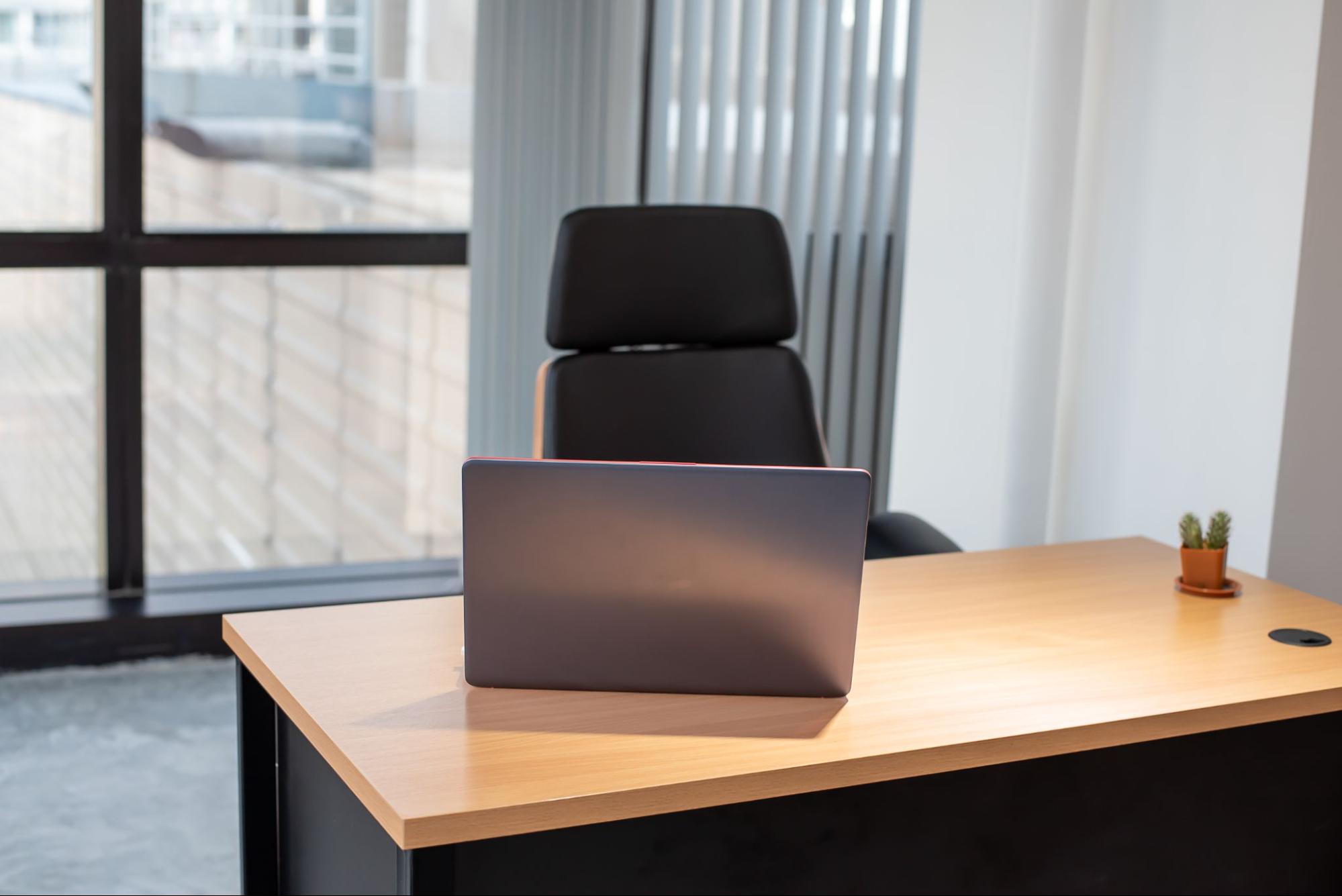

Every office move surfaces the same awkward question: what to do with the mismatched chairs, the dented filing cabinet, and the sofa nobody actually sat on. Deciding how to get rid of old office furniture usually comes down to four options: keep it, donate it, sell it, or dispose of it, and settling on one before packing day saves both time and money.
Take Stock Before You Move a Thing
An inventory walk-through, camera in hand, is worth doing at least a month before the move. Photograph everything from desks to décor, and be honest about what still earns its place in the new office. It helps to walk the space with whoever manages the new floor plan, since a chair that looks fine in isolation might simply not fit the layout everyone has agreed on.
Honest triage at this stage saves you from paying to transport old office furniture that will end up in a skip at the new premises anyway. Movers typically charge by volume and effort, so every piece that gets binned before moving day is money saved twice over.
If the move itself is part of a larger relocation, working alongside experienced office movers in Singapore means the inventory conversation happens early, before quotes and timelines are locked in.
The Four Options for Old Furniture
Once the inventory is done, most items fall into one of four categories:
- Keep it: worth holding onto only if it suits the new floor plan and still matches the image the company wants to project going forward.
- Donate it: charities, start-ups, and smaller businesses often take desks, chairs, and cabinets that are still in decent condition, and some will even arrange their own collection.
- Sell it: second-hand marketplaces and office liquidators can turn old office furniture into a small return rather than a disposal cost, particularly for higher-end ergonomic chairs.
- Dispose of it: worn-out or broken pieces need a proper disposal service, not a spot beside the nearest rubbish chute, since bulky waste often has its own collection rules.
Combining Disposal With the Move Itself
Many commercial movers can coordinate disposal on the same day as the move, which saves booking a second logistics job entirely and means fewer trucks in and out of the building. Ask your mover whether disposal services in Singapore can be bundled into the same trip, and confirm what counts as bulky waste versus general disposal, since the two are often charged differently.
Bundling also avoids the classic scenario of old office furniture sitting in the corridor for a week after moving day, waiting for someone to arrange collection while building management sends increasingly pointed emails. Sorting it out upfront means the new office looks finished from day one, not half-abandoned, and the old premises can be handed back to the landlord without a final scramble.

Furniture decisions made early keep moving day calmer and considerably cheaper. Get in touch with 12Move to ask about combined moving and disposal packages for your next office relocation, and let the old sofa go with dignity.