




Relocating an office in Singapore is often a significant milestone that can feel overwhelming yet vital to a company’s growth. Whether your business is streamlining to reduce costs or expanding to create space for greater productivity, an office move marks an important chapter in your organisation’s journey. Because every relocation involves many moving parts, careful planning is essential. From safeguarding day-to-day operations to maintaining employee morale, each detail plays a role in ensuring business continuity and minimising disruption.
What are the Steps for a Successful Office Move?

At 12Move Logistics, we understand the challenges and emotions that come with such a transition. This guide provides a clear, step-by-step roadmap to help you navigate your next office move with confidence and care.
Step 1: Define the Objective and Set a Clear Timeline
Begin by understanding the purpose behind your office relocation. Clarifying the “why” will guide every subsequent decision. Common reasons include:
- Expansion: Creating more space to support a growing team and enhance productivity.
- Optimisation: Downsizing to reduce operating costs or improve efficiency.
Selection of New Office
Selecting a new office is one of the most important decisions in the relocation process. Your company’s address should convey stability and support long-term growth, so it’s worth taking the time to evaluate each option carefully before committing.
Key considerations include:
- Brand Alignment: Ensure the location reflects your company’s image and the impression you want to create for clients, partners, and employees.
- Convenience and Accessibility: Confirm that the site is easy to reach via public transport or major road networks, making daily commutes smooth for both staff and visitors.
- Practical Amenities: Check that the building offers the facilities your team needs for day-to-day productivity, from meeting rooms and parking to reliable internet and security.
- Room for Growth: Consider future plans, such as team expansion or specialised equipment, and verify that the space can accommodate these developments.
- Budget Fit: Make sure the lease terms align with your financial goals, including rent, maintenance fees, and any potential cost escalations.
A thoughtful approach to location selection and lease negotiation lays the groundwork for a stable, productive workplace and reduces the likelihood of another move in the near future.
Setting Up an Office Task Force
Once the objective is clear, outline the practical next steps:
- Appoint a Move Lead or Task Force: Designate a dedicated person or team to coordinate all aspects of the relocation.
- Establish a Realistic Timeline: Set key milestones and deadlines to keep the project on track while minimising disruption to daily operations.
- Review Your Current Lease: Check for termination or reinstatement clauses and other obligations that may impact costs or scheduling.
Taking time to set a clear purpose and structured timeline ensures the rest of the move unfolds smoothly and with minimal stress for everyone involved.
Step 2: Establish a Comprehensive Budget
A well-planned budget ensures your office move remains financially sound and free from unwelcome surprises. Relocation often involves a range of expenses beyond the obvious, so it’s important to map out all potential costs in advance.
Typical budget components include:
- New Office Rental: Monthly rent, security deposits, and any other payments required by the landlord or government.
- Professional Movers: Fees for experienced office-moving specialists who can handle equipment, furniture moving, and packing with care.
- Renovation and Fit-Out: Design, construction, and finishing work to customize the new space to your operational needs and brand identity.
- IT Infrastructure Relocation: Moving and setting up servers, network cabling, and other critical technology systems.
- Reinstatement of Current Premises: Costs to return your existing office to its original condition as stipulated in the lease.
- Contingency Fund: A reserve, ideally 10–30% of the total budget to cover unexpected expenses or last-minute changes.
- Additional Items: New furniture, temporary storage, updated insurance, and essential office supplies.
By outlining these costs early and reviewing them with key stakeholders, you can safeguard your organisation’s financial health and keep the move on schedule and within budget.
Step 3: Engage the Right Service Providers
Securing trusted partners is essential for a smooth, stress-free relocation. Bringing experienced professionals on board early reduces disruptions and helps your team stay focused on day-to-day operations.
Key service providers to consider:
- Professional Movers: Choose a reputable office-moving company with proven experience. Obtain several quotes, review client feedback, and confirm that insurance coverage and the full scope of services, such as packing, unpacking, and disposal are clearly outlined.
- IT Specialists: Plan your technology migration carefully to minimise downtime. Engage experts to manage server transfers, network setup, and workstation configuration so your team can resume work quickly.
- Internet Service Provider: Arrange for a reliable connection at the new premises well in advance to avoid gaps in communication or productivity.
- Fit-Out Contractors: If renovations or customisations are required, engage dependable contractors early to keep the project on schedule and within budget.
- Cleaning Services: Book professional cleaning for both the old and new offices to leave each space in the required condition and create a welcoming environment for staff on moving day.
Partnering with experienced providers gives you peace of mind and allows your business to transition smoothly into its new home.
Step 4: Manage Legal and Administrative Requirements
Ensuring compliance with legal and administrative obligations is a critical part of any office relocation. Proper attention at this stage safeguards your business from penalties, protects employees, and ensures uninterrupted operations.
Key actions include:
- Board Resolution: Formally approve the change of office address through a board resolution to document the decision for internal and regulatory purposes.
- Update ACRA: Notify the Accounting and Corporate Regulatory Authority (ACRA) of your new registered office address via the BizFile+ portal within 14 days of the move. This is a legal requirement under Section 143(1) of the Companies Act 1967. Ensure that your registered office remains open and accessible to the public during stated hours, as required by Section 142. Late filing may incur penalties.
- Update IRAS: While ACRA updates usually flow automatically to the Inland Revenue Authority of Singapore (IRAS), consider using myTax Mail to expedite the process, particularly if there are urgent tax matters or upcoming deadlines.
- Notify Other Agencies and Stakeholders: Communicate your new address and effective date to:
- Government agencies: MOM, CPF Board, URA (if relevant), and other regulatory bodies
- Financial institutions: Banks, insurers, and credit facilities
- Suppliers and vendors: To ensure seamless delivery of goods and services
- Clients and business partners: To maintain professional credibility and continuity
- Update Company Records and Materials: Amend statutory registers, internal records, websites, email signatures, business cards, letterheads, and other branding materials. This not only ensures compliance but also maintains a professional image.
- Review Lease Obligations and Insurance: Double-check your existing lease for any obligations such as reinstatement or notice periods, and verify that insurance policies (property, business interruption, and employee coverage) are updated to reflect the new address.
- Employee Communication: Inform your staff well in advance, highlighting the move date, new office layout, transportation options, and any changes to operational procedures. Keeping employees informed reduces stress and improves productivity during the transition.
- Plan for Contingencies: Anticipate potential administrative hiccups, such as delays in utility connections, postal redirection, or IT system setup, and create a backup plan to prevent disruptions.
Step 5: Plan the Physical Move
The physical relocation is often the most visible and stressful part of an office move, but careful planning can make it efficient, organised, and minimally disruptive to your team.
- Declutter and Organise: Sort through furniture, equipment, and documents before packing. Dispose of or recycle items no longer needed, and consider donating usable items to charity. Reducing unnecessary items not only lowers moving costs but also creates a cleaner, more efficient workspace at the new office.
- Develop a Packing Strategy: Provide staff with clear packing instructions and appropriate packing materials. Label every box with its contents and the designated room or area in the new office. Securely pack sensitive documents, IT equipment, and valuables under supervision to prevent damage or loss.
- Coordinate Logistics: Communicate with building management at both locations to confirm mover access, elevator schedules, parking availability, and any specific rules for moving day. Plan for contingencies such as restricted access times, heavy equipment handling, or weather conditions.
- Create a Moving Day Plan: Assign specific roles to staff members, including supervising movers, directing placement of furniture and equipment, and handling unexpected issues. Ensure IT specialists are available to manage the disconnection, transport, and reconnection of servers and workstations. Maintain clear communication channels with all team members to address questions or challenges promptly.
By approaching the move methodically, decluttering, organising, coordinating logistics, and assigning clear responsibilities, you can minimise disruption, protect your assets, and ensure that your team can settle into the new office smoothly and confidently.
Step 6: IT and Infrastructure Setup
A smooth IT and infrastructure setup is critical to minimise downtime and ensure your team can resume work efficiently in the new office.
- Transfer Utilities and Telecommunications: Arrange for the transfer or installation of essential services, including electricity (SP Group), water (PUB), internet, and phone lines. Review existing service contracts for any transfer fees, notice periods, or termination clauses to avoid unexpected charges or delays.
- Test and Verify Systems: Before employees arrive, ensure that all IT systems, networks, servers, phones, and essential office equipment are fully installed and operational.
Conduct tests to verify connectivity, software functionality, and security systems. Address any technical issues in advance to prevent interruptions to workflow on the first day in the new office.
Congratulations on Successfully Completing Your Office Move!
We understand that relocating an office is no small task, and reaching this stage is a significant achievement. As you settle into your new space, here are a few thoughtful steps to ensure a smooth transition for both your business and your team:
- Unpack Essentials First: Focus on unpacking items that directly support business operations and employee productivity. Non-essential items can be organised gradually without disrupting workflow.
- Welcome Your Team: Consider hosting an orientation or a simple welcome gathering. This helps employees feel comfortable, valued, and excited about the new workspace.
- Encourage Feedback and Ideas: Create an open channel for your team to share their thoughts on the new office environment. Their feedback can provide valuable insights for enhancing comfort, efficiency, and collaboration.
Why Choose 12Move Logistics as Your Preferred Office Movers in Singapore?
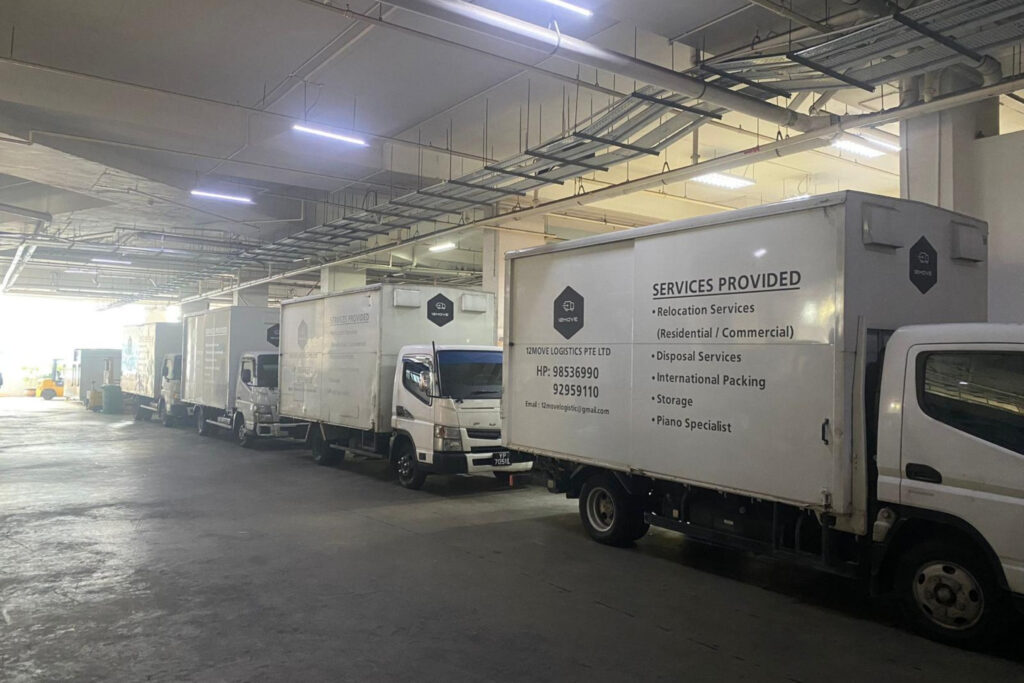
With nearly a decade of experience as professional office movers in Singapore, our dedicated team of relocation specialists is committed to making your move efficient, secure, and stress-free.
Our promise to you:
- Minimal Disruption to Business: We plan every move with precision, keeping downtime to a minimum and offering after-hours or weekend relocations to suit your schedule.
- Specialised Handling & Expertise: From delicate IT systems to confidential documents, our trained professionals handle every item with care and accuracy.
- Transparent & Reliable Service: Clear quotations, no hidden fees, and a strong track record of successful moves give you complete confidence.
- Comprehensive End-to-End Support: Whether it’s packing, disassembly, transport, setup, or post-move assistance, we take care of every detail.
- Efficient & Collaborative Approach: We adapt seamlessly to your timelines and work closely with your teams to deliver a smooth transition into your new office.
With us, moving isn’t just about shifting spaces, it’s about setting your business up for success in its new environment.