




Over the years, through countless office moves for a wide range of businesses as professional singapore movers, we’ve seen the challenges that can arise when proper planning is overlooked. To help you navigate this process smoothly, we’ve compiled the top 10 mistakes to avoid when office moving in Singapore. By being aware of these common pitfalls, you can minimize disruption, protect your valuable assets, and ensure your team settles comfortably into the new workspace. It is our way of helping you make your office relocation as seamless and stress-free as possible.
Pitfall 1: Inadequate Planning

A successful office move starts with careful planning. Without a detailed plan, confusion, delays, and unnecessary stress can arise, impacting both productivity and business continuity.
Preventive Steps:
- Appoint a Move Coordinator or Task Force: Assign a dedicated person or team to oversee the entire relocation process.
- Clearly Define Roles and Responsibilities: Ensure every employee knows their tasks and how they contribute to the move.
- Set Realistic Deadlines: Establish timelines that are achievable, keeping the move on track without overwhelming your team.
- Prepare Contingency Plans: Anticipate potential challenges and have backup solutions ready in case the original plan needs adjustment.
Pitfall 2: Underestimating Costs

It’s easy to focus only on obvious expenses when moving an office, but hidden costs can quickly add up. Items like packing materials, insurance, building fees, temporary storage services, or even stocking the new office pantry can lead to unexpected expenditures if not planned for in advance.
Preventive Steps:
- Set Up a Contingency Fund: Allocate 10–30% of your moving budget for unforeseen expenses.
- Engage Your Team Early: Hold discussions with employees to understand their needs, preventing last-minute purchases or overlooked requirements.
- Obtain Multiple Quotes: Compare prices for all services and products to ensure you get the best value.
- Plan and Procure Early: Secure necessary services and supplies ahead of time, as last-minute or expedited orders can be significantly more expensive.
Pitfall 3: Failing to Hire or Hiring the Wrong Professional Office Movers

Attempting a DIY move or hiring inexperienced movers can lead to damaged equipment, misplaced items, and operational disruptions, all of which can affect business continuity.
Preventive Steps:
- Check Reviews and Testimonials: Look at platforms like Google Reviews to understand the mover’s reputation and reliability.
- Seek Trusted Referrals: Ask business contacts or partners for recommendations to find movers with proven experience.
- Shortlist and Interview Companies: Discuss their previous office relocations, request a detailed quotation, and understand their operational workflow to ensure it aligns with your needs.
- Educate Yourself About Office Moves: Familiarise yourself with the standard process of an office relocation and compare it against the plan proposed by the moving company. This allows you to identify gaps, ask the right questions, and make informed decisions.
- Leverage Professional Guides: Resources like our step-by-step office moving guide can help you understand each stage of the move and what to expect from professional movers.
Pitfall 4: Poor Communication With Employees

A successful office move isn’t just about logistics, it’s also about your people. Failing to communicate effectively with your team regarding schedules, responsibilities, or expectations can lead to frustration, decreased motivation, and reduced productivity.
Preventive Steps:
- Appoint an Employee Wellness Coordinator or Team: Designate someone to focus on staff well-being throughout the move.
- Clearly Assign Roles and Responsibilities: Ensure each employee knows their tasks related to the relocation, reducing confusion and overlap.
- Hold Regular Check-Ins: Schedule periodic meetings to understand individual concerns, answer questions, and adjust plans as needed.
- Establish an Efficient Communication Channel: Use platforms like WhatsApp, Slack, or email groups to share updates, reminders, and instructions in real time.
Pitfall 5: Ignoring IT and Telecommunications Needs
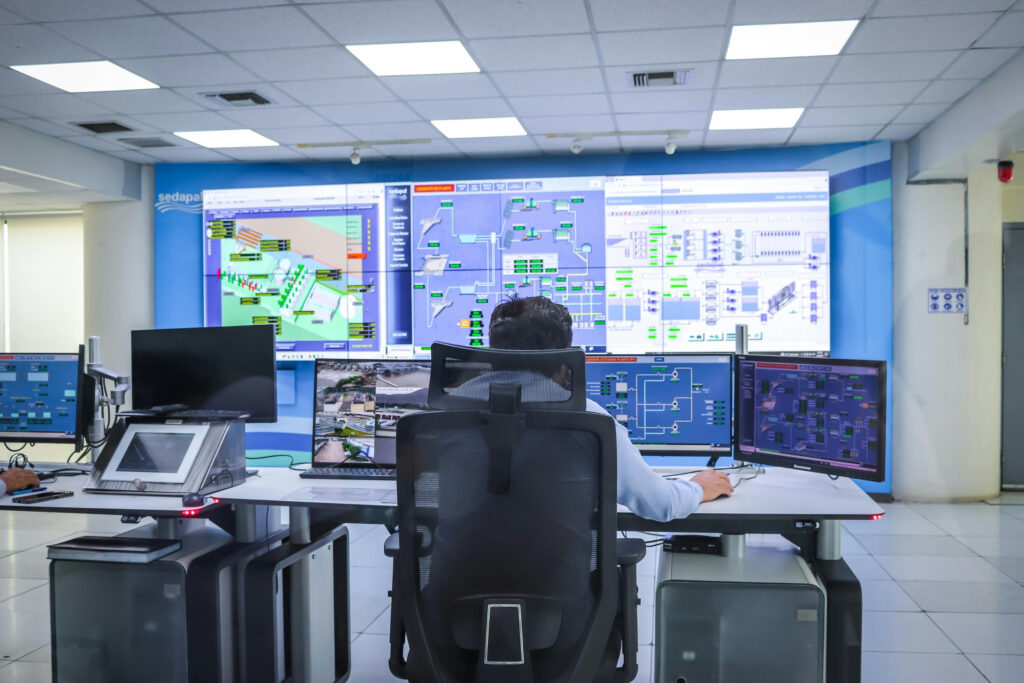
Your IT and telecommunications systems are the backbone of business continuity. Overlooking servers, computers, internet connections, and phone lines can bring operations to a sudden halt, resulting in downtime, frustrated employees, and even lost revenue.
Preventive Steps:
- Assign an IT Point-of-Contact: Ensure your IT department designates a responsible person (or team) to oversee all technical aspects of the move.
- Engage Vendors Where Necessary: Involve hardware providers, telecom operators, or managed service providers early, so equipment is properly disconnected, transported, and reinstalled without risk.
- Prioritise IT Setup: Always make IT and telecom systems among the first things to be moved and re-established in the new office to minimise downtime.
- Create Backups: Safeguard critical business data by running full backups before the move, ensuring that any unforeseen mishaps don’t result in permanent loss.
Pitfall 6: Neglecting to Update Business Information

Overlooking the need to update your business address and details with clients, vendors, banks, and regulatory bodies can create unnecessary setbacks. Missed correspondence, billing errors, and compliance issues may arise, all of which can disrupt operations and harm business relationships.
Preventive Steps:
- Assign a Dedicated Coordinator: Delegate this responsibility to someone detail-oriented, ideally with experience in regulatory or administrative processes.
- Create a Comprehensive Checklist: Document every platform and stakeholder where your business details appear (e.g., websites, banks, government bodies, suppliers, and customers).
- Research Requirements in Advance: Different institutions may require different procedures or documents. Understand these ahead of time to prevent last-minute delays.
- Time It Strategically: Plan to update business information close to the moving date, but allow a buffer for processing time or unforeseen requirements.
Pitfall 7: Overlooking Legal, Compliance, and Building Requirements

Every office relocation comes with a set of legal, regulatory, and building-specific requirements. Overlooking them could result in unnecessary fines, strained landlord relationships, or even last-minute move delays. From permits and fire safety regulations to lease obligations and building management rules, ensuring compliance is critical for a smooth transition.
Preventive Steps:
- Assign a Compliance Lead: Delegate this responsibility to someone with regulatory or operational experience. If none is available, appoint the most detail-oriented team member suited for such tasks.
- Develop a Comprehensive Checklist: Compile a clear list of all legal, compliance, and building requirements to be addressed before, during, and after the move.
- Do Thorough Research: Understand the specific steps, documentation, and timelines required by your landlord, building management, or relevant authorities.
- Engage Professional Support: Where possible, involve your internal legal team or consult external professionals to ensure nothing is overlooked.
Pitfall 8: Inadequate Insurance Coverage

Overlooking insurance is one of the most common and most costly mistakes businesses make when relocating. Without the right protection, your company is exposed to financial risk if critical equipment is damaged, unique assets are lost, or business continuity is disrupted.
Preventive Steps:
- Identify High-Priority Assets: Make an internal list of items that are high-value, irreplaceable, or essential to daily operations.
- Review Coverage with Movers: Cross-check your list with your chosen office movers to ensure those assets are covered, and confirm the insured amount matches their true value.
- Understand the Claim Process: Clarify how claims are handled, including processing time and required documentation, as delays can directly impact business operations.
- Consider Supplementary Insurance: If movers’ coverage is limited, explore additional policies to safeguard against gaps.
Pitfall 9: Poor Packing Practices

Packing might seem straightforward, but improper techniques can easily result in damaged equipment, lost items, or general disorganisation. Using low-quality materials, overpacking boxes, or failing to declutter beforehand are common mistakes that can be avoided with careful planning.
How to avoid this:
- Use High-Quality Packing Materials: Always source boxes, tape, bubble wrap, and protective padding from trusted suppliers to ensure durability and safety.
- Protect Sensitive Items: Apply multiple layers of protection for delicate or valuable equipment to prevent damage during transport.
- Follow Packing Guidelines: Learn the proper packing materials and techniques for different types of office items to avoid misuse or breakage.
- Engage Professional Packers & Movers: Partner with experts like 12Move Logistics, who bring both experience and high-quality materials to ensure your office supplies and equipment are packed safely and efficiently.
- Declutter Your Office: To remove unnecessary load and save space.
Pitfall 10: Not Planning for Post-Move Adjustments

One of the biggest misconceptions about office moves is expecting everything to run perfectly from day one. In reality, it takes time for employees to adjust, workflows to stabilise, and new spaces to feel like home. Overlooking this stage can lead to frustration, reduced productivity, and missed opportunities to optimise the new environment.
Preventive Steps:
- Maintain Open Support Channels: Keep your moving PIC or task force active for at least a month post-move, so employees have a clear point of contact for queries or issues.
- Host a Welcome & Orientation Session: A casual office-warming gathering and an orientation walk-through can help employees feel comfortable and familiarise themselves with the new facilities.
- Collect and Act on Feedback: Schedule short feedback sessions to hear employees’ experiences, both positive and negative, in order to refine workflows and enhance the work environment.
What are the Benefits of Hiring 12Move Professional Office Moving Service?
- Minimised Business Disruption: We understand that time is money. We plan moves strategically, even after-hours or on weekends to ensure your operations experience minimal downtime.
- Specialised Handling of Equipment: From IT servers to confidential documents, we are trained to handle sensitive, high-value, and business-critical items with precision and care.
- Efficiency & Reliability: We follow proven workflows that keep the relocation organised, efficient, and on schedule no unpleasant surprises or last-minute chaos.
- End-to-End Support: Beyond transport, we provide packing, labelling, disassembly, setup.
- Cost-Effectiveness in the Long Run: While DIY or inexperienced movers may seem cheaper upfront, the risks of damaged equipment, delayed setups, or lost productivity often cost far more. We help you avoid those hidden costs.
Conclusion
Relocating an office isn’t just about moving desks and chairs, it’s about safeguarding business continuity, protecting valuable assets, and ensuring your team transitions smoothly into a new environment. While it may be tempting to manage the move internally or engage general movers, professional office movers like 12Move Logistics bring a level of expertise and care that makes all the difference.